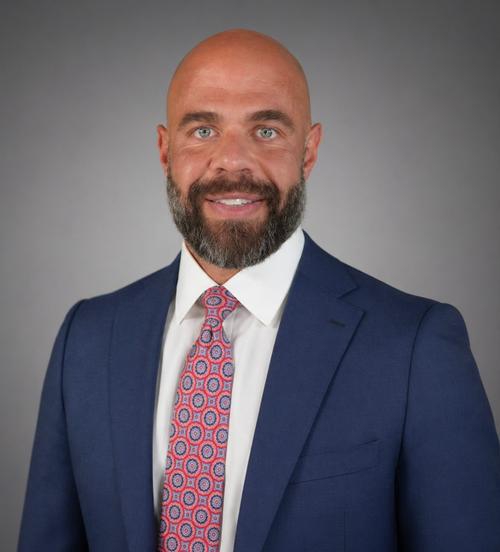
If your workers' compensation claim was denied in Massachusetts or worse, you receive no response at all from workers’ compensation, you're not alone and you're not out of options. It's one of the most common reasons injured workers across the Boston area, MetroWest, and Worcester County reach out to Attorney Chuck Pappas. A denial letter or complete silence can feel like the end of the road, especially when you're already dealing with a serious injury, mounting medical bills, and lost wages. But in Massachusetts, a denial or silence is often just the opening move, not the final word.
Many valid claims get denied the first time around. Insurance companies have their own financial incentives, and they don't always get it right. Understanding why your claim was denied and what the law requires is the first step toward getting the benefits you're entitled to under Massachusetts law.
Common Reasons Workers' Comp Claims Are Denied in Massachusetts
Insurers deny claims for a wide variety of reasons, some more legitimate than others. Here are the issues that come up most often for injured workers in Framingham, Natick, Marlborough, and throughout MetroWest and Greater Boston area.
1. The Injury Wasn't Reported Right Away
Timing matters. When there's a gap between the date of injury and the date it's reported to your employer, insurance adjusters often seize on that delay to question whether the injury really happened on the job. And if there is a reason for any insurance company to try and avoid paying, they’ll take it. Life doesn't always allow for an immediate report. Often, people try to push through pain, finish a shift, or don't realize right away how serious their injury is. But that gap or delay in reporting a work accident or injury can become the insurer's main argument for denial.
2. The Insurance Company Disputes How the Injury Happened
Sometimes the dispute isn't about timing, but about the facts themselves. If your employer or the insurer claims the injury didn't happen at work, or that it happened in a different way than you described, they may deny the claim outright. These situations often turn on competing accounts of how the accident occurred. This is exactly why a clear, contemporaneous report and records matters so much, especially in a legal dispute.
3. Lack of Medical Evidence Connecting the Injury to Your Job
Your worker’s compensation claim lives or dies on your medical records. If those medical records don't clearly and specifically connect your injury to your work accident or activities, the insurer has an opening to deny the claim. Vague notes, missed follow-up appointments, or treatment gaps can all be used against you, even when the injury is very real. Additionally, an insurer will often deny a claim or completely ignore it if you don’t have a disability or out-of-work note from your doctor due to your work injury. This is why Attorney Pappas always advises injured workers to get a disability note when you see a doctor for a work injury.
4. Pre-Existing Conditions
A prior injury or condition doesn't automatically disqualify you from workers' comp benefits, but insurers frequently argue that your current symptoms aren't work-related, or that your job didn't meaningfully worsen a condition you already had. Massachusetts law recognizes that a workplace injury can aggravate a pre-existing condition in a way that's still compensable, but proving that connection takes the right medical documentation.
5. Independent Medical Exams (IMEs)
Insurance companies routinely send injured workers to an “independent” medical exam with a doctor of their choosing. If that doctor concludes you're not disabled or that you're able to return to work, it can lead directly to a denial or a termination of benefits even when your own treating physician disagrees. These opinions aren't the final word, but unfortunately they carry real weight in the process when the insurance company has the ability to make decisions.
What Happens After a Denial?
A denial doesn't mean your case is over. Under Massachusetts law, you have the right to pursue your claim through the Department of Industrial Accidents (DIA), the state agency that handles disputed workers' compensation cases for workers throughout Massachusetts, including Framingham, Boston, and Worcester County.
|
The DIA Claims Process Generally Involves Three Stages:
This is a legal process where evidence, documentation, and deadlines matter. Having experienced representation at each stage can significantly affect the outcome. |
How to Strengthen Your Case After a Denial
If your claim has been denied, the path forward is about building a stronger, more complete record and this is precisely what Attorney Pappas does for his clients. That generally means:
- Getting clear, detailed medical opinions that directly connect your injury to your job duties
- Correcting any inconsistencies or gaps in your medical and employment records
- Documenting exactly how the injury affects your ability to work, day to day
- Preparing thoroughly for conciliation, conference, and hearing before the DIA
The Reality: Denials Can Be Challenged
Insurance companies deny claims for all kinds of reasons, but a denial isn't the same as being right. Many denied claims in Massachusetts are later approved, settled, or resolved in the injured worker's favor. The outcome usually comes down to how the case is handled after that initial denial: what evidence gets gathered, how the medical record is developed, and how effectively the case is presented to the DIA.
|
Free, No-Obligation Consultation Attorney Chuck Pappas offers a free consultation to every injured worker whose claim has been denied with no obligation to move forward. As a husband and father himself, Chuck understands the financial and emotional strain a family feels when an injury keeps someone out of work. There's no cost and no risk in simply having your denial reviewed and learning where you actually stand. |
Call Attorney Chuck Pappas Today
If your workers' comp claim has been denied or ignored anywhere in Framingham, MetroWest, Greater Boston, or Worcester County, getting clear guidance early can make a real difference in how your case unfolds at the Department of Industrial Accidents.
Call (508) 879-3500
or contact Attorney Chuck Pappas online for your free, no-obligation consultation.
You'll understand your options and what steps to take next — at no cost, and with nothing to lose.
 Don’t forget, for answers to many questions and great information on how to get the best possible settlement in your accident case, get a copy of our book: